"Pressure Washing Safety: Unveiling the Risks and Ensuring Injury Prevention"
- Les Chappell
- Feb 23, 2024
- 2 min read

Updated: Feb 23, 2024
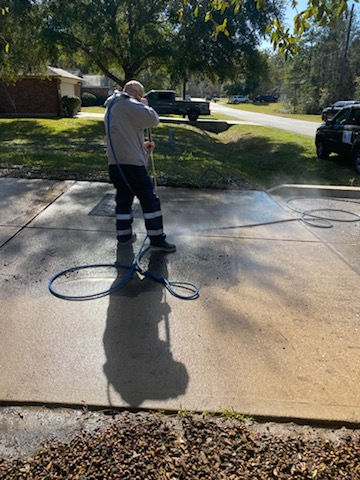
While pressure washing is a highly effective method for cleaning various surfaces, it's crucial to acknowledge and address the potential risks associated with this powerful tool. In this in-depth blog, we'll explore the common dangers of pressure washing, outline safety measures to mitigate these risks, and emphasize the importance of responsible practices to ensure injury prevention for both homeowners and professionals.
Understanding the Power: The Force Behind Pressure Washing Machines
PSI and GPM Explained: Breaking down the terms pounds per square inch (PSI) and gallons per minute (GPM) to comprehend the force generated by pressure washers.
Impact on Surfaces: Illustrating how high-pressure water can damage delicate surfaces and pose injury risks.
Eye and Skin Hazards: Protecting Yourself Against High-Pressure Water
The Role of Safety Gear: Emphasizing the necessity of wearing protective equipment, including goggles, gloves, and appropriate clothing.
Avoiding Direct Contact: Highlighting the importance of maintaining a safe distance from the nozzle and potential splashback.
Chemical Exposure: Risks and Safety Measures
Detergent Dangers: Identifying the potential hazards associated with pressure washing chemicals.
Proper Handling and Ventilation: Implementing measures to minimize the risk of chemical exposure and inhalation.
Fall and Ladder Safety: Preventing Accidents During High-Pressure Jobs
Elevated Surfaces: Addressing the risks of working from heights, especially when using ladders or platforms.
Proper Equipment and Training: Ensuring that workers are equipped with secure ladders and receive training on safe practices for elevated pressure washing.
Electrical Hazards: Navigating the Risks of Outdoor Power Tools
Water and Electricity: Understanding the dangers of using electrical pressure washers in wet conditions.
GFCI Protection: Implementing Ground Fault Circuit Interrupters to enhance electrical safety.
Structural Damage: Balancing Power and Preservation
Fragile Surfaces: Recognizing the potential harm high-pressure water can cause to certain materials.
Testing on Small Areas: Recommending a trial on inconspicuous spots to gauge the impact of pressure washing on different surfaces.
Noise Pollution: The Overlooked Safety Concern
Hearing Protection: Acknowledging the impact of prolonged exposure to the noise generated by pressure washers.
Establishing Quiet Hours: Implementing schedules to minimize noise disruption in residential areas.
Safety Training and Certification: The Importance of Education
Proper Usage Instruction: Advocating for thorough training on pressure washer operation and safety.
Certification Programs: Recognizing the value of certifications to ensure a standard level of competence among pressure washing professionals.
Conclusion: Pressure washing, when conducted responsibly, can be a highly effective and safe cleaning method. By understanding the potential risks and implementing proper safety measures, both homeowners and professionals can enjoy the benefits of pressure washing without compromising their well-being. Remember, safety should always be the top priority when harnessing the power of high-pressure water.
Here's to clean surfaces and safe practices!
Avoid a Pressure Washing Injury, Hire Chappell Pressure Washing!
Pressure washing is an accessible cleaning method, with many home improvement stores offering them on a rental basis. Unless you’re an experienced pressure washer, it is always better to hire a professional than to take the DIY approach. Professionals are trained to use pressure washers the right way. They know what they’re doing and have access to safety equipment that helps them avoid a pressure washer injury. Call today for any questions or information on how we can assist you on your Commercial or Residential needs.


Comments